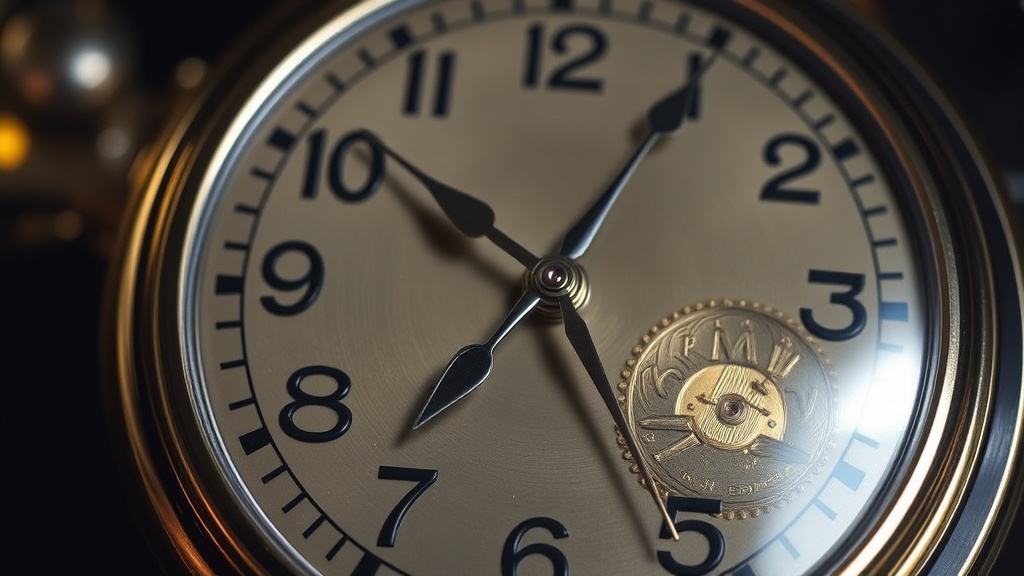
Safeguarding Your Clock's Patina: Cleaning Cases Without Regret

Safeguarding Your Clock's Patina: Cleaning Cases Without Regret
Learning to safely clean your antique clock case ensures its long-term preservation. This guide will provide practical techniques, helping you protect its valuable patina without causing irreversible damage – a collector's real fear, I know. You can keep your treasured timepiece looking its best, but doing it correctly makes all the difference.
What cleaning products are truly safe for antique clock cases?
When it comes to cleaning antique clock cases, less is always more. Forget those harsh chemical sprays and abrasive cleaners; they're simply too aggressive for delicate, aged finishes. For most routine dusting, a soft, dry microfiber cloth does wonders. For a deeper clean on wood, a cloth ever-so-slightly dampened with plain water – or perhaps a very mild soap solution like Orvus WA Paste – is generally safe. Always test an inconspicuous area first, perhaps on the back or underneath the base, to ensure no discoloration occurs. After all, you don't want to accidentally strip away decades of character!
How can I safely clean different case materials?
Different materials demand different approaches. For wooden cases, after dusting, you might gently wipe with a barely damp cloth. Follow up immediately by drying with another soft cloth. Consider applying a high-quality, acid-free paste wax – like Renaissance Wax – once a year or so, buffing it to a gentle sheen. This protects the wood without "feeding" it, which is a common misconception (wood doesn't need oil!). For detailed guidance on wood care, check the